
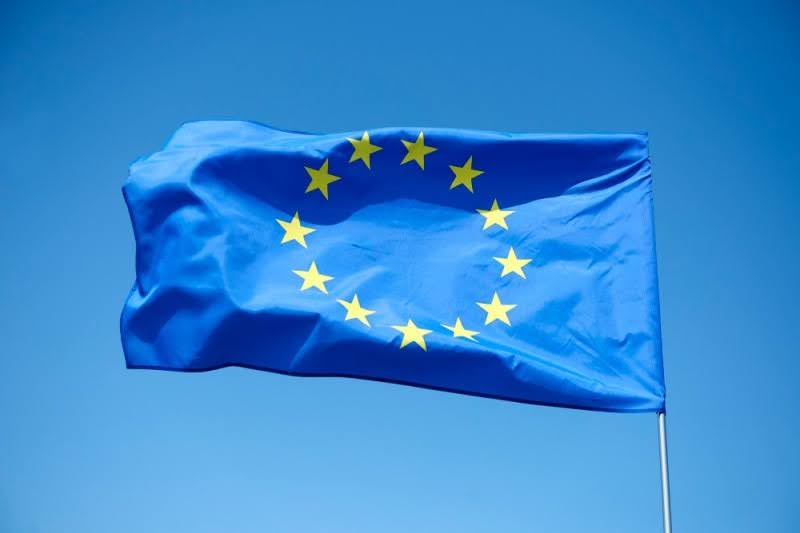
The European Union is urging a more streamlined and credible approach to its enlargement process, emphasizing the need to embrace new members. During a summit in Montenegro with leaders from six Western Balkan countries, German Chancellor Friedrich Merz highlighted the EU’s necessity to expand and integrate this region into its future framework. He pointed out that the EU has not welcomed a new country in over a decade, signaling a pressing need for reforms in how the accession process is conducted.
Echoing this sentiment, European Commission President Ursula von der Leyen underscored the importance of making membership negotiations more effective and reliable for countries seeking to join the bloc. The summit included representatives from Albania, Bosnia and Herzegovina, Kosovo, Montenegro, North Macedonia, and Serbia—all of whom are aspiring for EU membership. Among these, Montenegro is regarded as the most advanced candidate, with ambitions to join the EU by 2028.
French President Emmanuel Macron also stressed the strategic significance of EU enlargement, linking it to Europe’s security, energy independence, and migration management. He supported the idea of “gradual integration,” which would permit candidate countries to engage with certain EU institutions and initiatives before achieving full membership status. This approach is seen as a way to facilitate smoother integration into the EU framework.
The momentum for expansion has been further fueled by geopolitical events such as Russia’s invasion of Ukraine. Alongside the Western Balkan countries, Ukraine and Moldova are also actively pursuing EU membership. The EU views enlargement as a critical strategy to bolster stability and diminish external influences in the region.
Despite the increasing political backing for enlargement, the process of joining the EU remains complex and time-consuming. It requires comprehensive reforms from candidate countries and unanimous approval from all 27 EU member states at every stage. This intricate process underscores the challenges that lie ahead for nations eager to become part of the European Union.